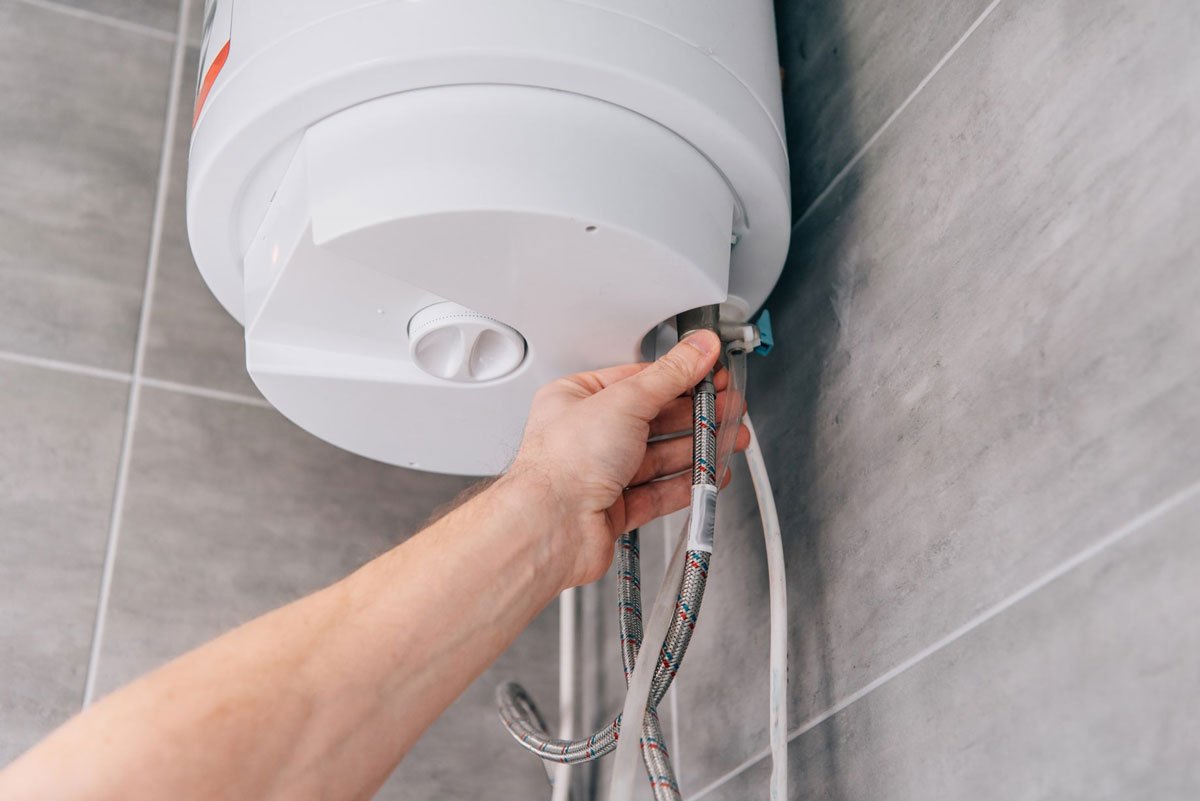
Few household problems are as frustrating as stepping into the shower only to discover the hot water has suddenly run out. Whether it happens occasionally or becomes a recurring issue, a lack of hot water can disrupt your daily routine and indicate an underlying problem with your plumbing system. Understanding the common causes can help homeowners determine when a simple fix is possible and when it’s time to call a professional.
Sediment Buildup Inside the Tank
One of the most common reasons a water heater stops providing enough hot water is sediment buildup. Over time, minerals such as calcium and magnesium settle at the bottom of the tank. This layer of sediment creates a barrier between the burner or heating element and the water, making the unit less efficient.
As sediment accumulates, the water heater must work harder to heat the same amount of water. Eventually, the effective capacity of the tank decreases, meaning you may run out of hot water much faster than before.
Regular maintenance, including flushing the tank, can help prevent sediment accumulation and extend the life of your water heater.
Your Water Heater Is Too Small
Many homeowners experience hot water shortages because their water heater simply isn’t large enough to meet their household’s needs. Families grow, routines change, and hot water demand often increases over time.
If multiple people are showering back-to-back while appliances like dishwashers and washing machines are running, a small water heater may struggle to keep up. In these cases, upgrading to a larger unit or considering a tankless system may provide a better long-term solution.
A professional plumber can assess your household’s hot water usage and recommend an appropriately sized system.
Faulty Heating Elements
Electric water heaters rely on heating elements to warm the water stored in the tank. Most units have two elements: an upper and a lower heating element. If one fails, the water heater may still produce some hot water, but not nearly enough to satisfy normal household demands.
Signs of a failing heating element include:
- Hot water running out quickly
- Water that is only lukewarm
- Longer recovery times between uses
- Increased energy bills
Testing and replacing heating elements should generally be handled by a qualified technician to ensure safety and proper operation.
Thermostat Problems
A malfunctioning thermostat can prevent your water heater from reaching the desired temperature. If the thermostat is set too low or has stopped working correctly, the water may never get hot enough to meet your needs.
Most residential water heaters are set around 120 degrees Fahrenheit. If the thermostat setting has been accidentally adjusted or the component has failed, you may notice inconsistent water temperatures throughout the home.
In some cases, replacing a faulty thermostat can restore normal performance without requiring a full water heater replacement.
Aging Equipment
Like any appliance, water heaters have a limited lifespan. Traditional tank water heaters typically last between 8 and 12 years, while some well-maintained units may last longer.
As a water heater ages, components begin to wear out, efficiency declines, and hot water production becomes less reliable. Older units may struggle to recover quickly after heavy use, leaving family members waiting for hot water to return.
If your water heater is approaching the end of its expected lifespan, frequent repairs may become less cost-effective than investing in a new system.
Hidden Leaks
Even a small leak can affect your water heater’s performance. Water escaping from the tank, nearby pipes, or fittings reduces the amount of hot water available for household use.
Leaks can also lead to additional problems, including:
- Water damage
- Mold growth
- Increased utility bills
- Corrosion of plumbing components
Homeowners should regularly inspect the area around their water heater for signs of moisture, puddles, or rust.
Dip Tube Damage
The dip tube is responsible for directing incoming cold water to the bottom of the tank, where it can be heated. If the dip tube becomes cracked or broken, cold water may mix with hot water near the top of the tank.
When this happens, the water reaching your faucets may cool down much faster than expected. Although the issue isn’t always obvious, a damaged dip tube can significantly reduce the amount of usable hot water in your home.
Fortunately, replacing a faulty dip tube is often less expensive than replacing the entire water heater.
High Household Demand
Sometimes the water heater itself isn’t the problem. Modern households often use hot water in multiple locations simultaneously. Long showers, laundry cycles, dishwashers, and other appliances can quickly deplete the available hot water supply.
If your family frequently experiences hot water shortages during peak usage times, consider spreading out hot water activities throughout the day or discussing upgrade options with a plumbing professional.
When to Call a Professional
While some issues can be addressed through routine maintenance, others require expert diagnosis and repair. If you’re experiencing frequent hot water shortages, unusual noises, inconsistent temperatures, or visible leaks, it’s wise to schedule an inspection before the problem worsens.
Professional plumbers can identify the root cause of the issue and recommend the most effective solution. For homeowners experiencing recurring hot water problems, seeking expert water heater repair in Leander can help restore reliable performance, improve energy efficiency, and prevent more costly damage down the road.
Final Thoughts
Running out of hot water is more than just an inconvenience—it often signals that your water heater needs attention. Sediment buildup, aging components, thermostat failures, damaged heating elements, and increased household demand can all contribute to the problem. By understanding these common causes and addressing issues early, homeowners can enjoy a more dependable hot water supply and avoid unexpected breakdowns.
Regular maintenance and timely repairs remain the best ways to keep your water heater operating efficiently for years to come.