As winter fades and temperatures begin to rise, spring is the perfect time to give your home’s plumbing system a thorough checkup. Cold weather can take a toll on pipes, fixtures, and appliances, leaving behind hidden issues that may worsen if ignored. Following a simple spring plumbing maintenance checklist—and knowing when to call a local plumber—can help prevent costly repairs and keep your system running smoothly.
Inspect for Leaks and Pipe Damage
Winter’s freezing temperatures can cause pipes to crack or weaken. As things thaw, these issues may reveal themselves in the form of leaks. Start by inspecting exposed pipes in basements, crawl spaces, and under sinks. Look for moisture, corrosion, or small drips.
Even minor leaks can lead to significant water waste and damage over time. If you notice anything concerning, it’s wise to have a local plumber assess the situation before it becomes a bigger problem.
Check Outdoor Plumbing Fixtures
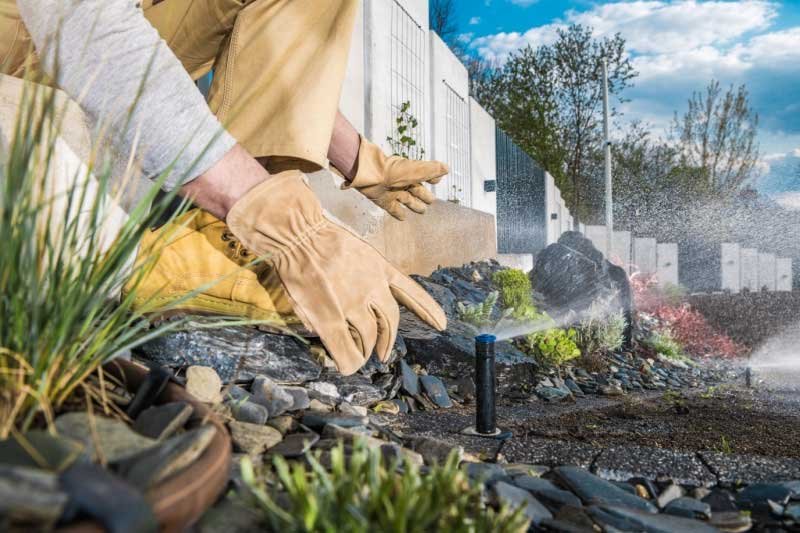
Spring is also the time to inspect outdoor plumbing, including hose bibs, faucets, and irrigation systems. Freezing weather can damage these fixtures, causing leaks when they’re used again.
Turn on outdoor faucets and check for steady water flow. If you notice weak pressure or water pooling around the fixture, it could indicate a cracked pipe. Addressing these issues early can prevent water damage to your home’s exterior.
Clean and Clear Drains
Over time, debris like hair, grease, and soap buildup can clog your drains. Spring is a great opportunity to clear out any blockages and ensure everything is flowing properly.
Use safe, non-corrosive methods to clean drains, or consider professional drain cleaning for more stubborn clogs. Keeping your drains clear reduces the risk of backups and helps maintain overall system efficiency.
Test Your Water Heater
After working hard all winter, your water heater may need some attention. Check for signs of wear, such as unusual noises, inconsistent water temperature, or visible rust.
Flushing the tank to remove sediment buildup can improve efficiency and extend the unit’s lifespan. If you’re unsure how to do this safely, a qualified professional can handle the task and ensure everything is operating correctly.
Examine Toilets and Faucets
Toilets and faucets are common sources of hidden leaks. Check for running toilets, loose handles, or dripping faucets. Even a slow drip can waste a surprising amount of water over time.
Replacing worn-out washers or seals can often fix the issue. If problems persist, professional help may be necessary to prevent further waste and damage.
Inspect Sump Pump Operation
Spring often brings heavy rain, making a functioning sump pump essential. Test your sump pump by pouring water into the pit and ensuring it activates properly. Listen for unusual noises and confirm that water is being discharged away from your home.
A malfunctioning sump pump can lead to basement flooding, so addressing any issues early is crucial.
Schedule a Professional Inspection
While many maintenance tasks can be handled on your own, a seasonal inspection provides added peace of mind. An experienced local plumber can identify hidden issues, perform preventative maintenance, and ensure your entire system is ready for the months ahead.
Stay Ahead This Spring
Taking the time to complete a spring plumbing checklist helps protect your home from unexpected problems and costly repairs. With a combination of routine maintenance and support from a trusted local plumber, you can keep your plumbing system in top condition all season long.