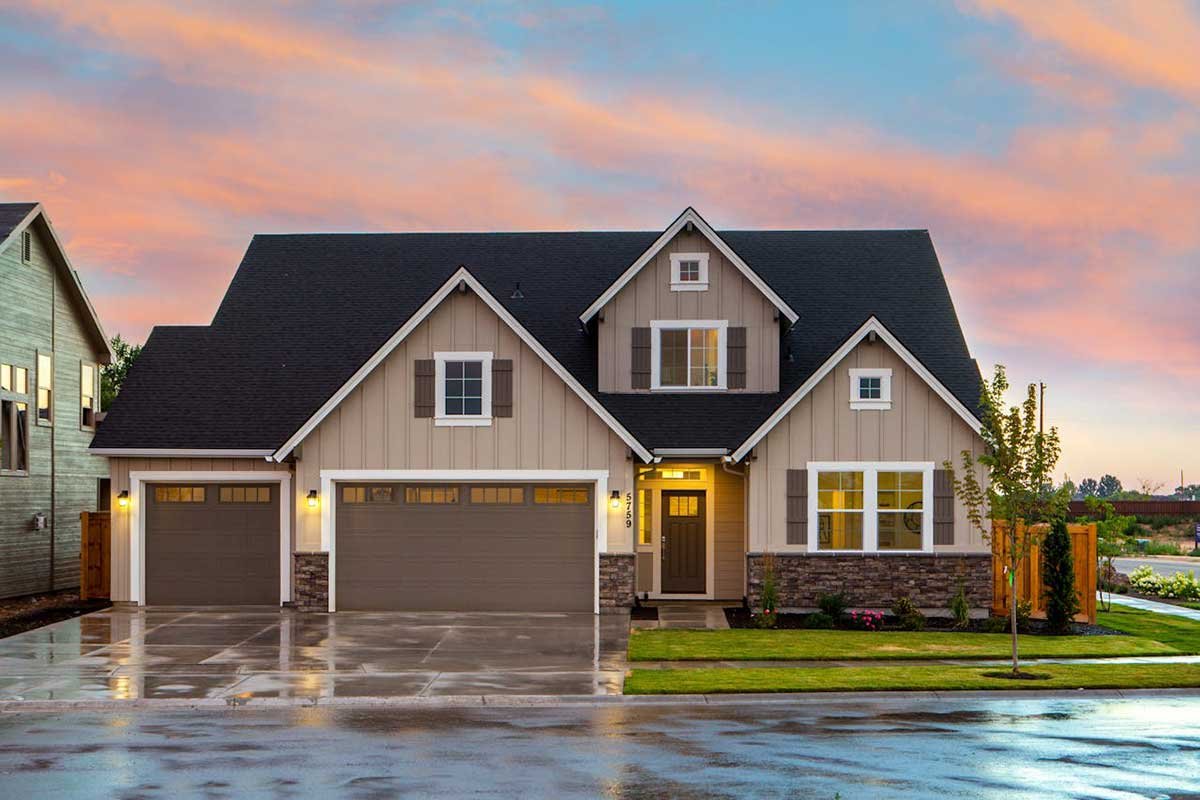
Replacing a home’s roof can feel overwhelming because it involves cost, timing, and many decisions. Homeowners often delay replacement until problems become urgent, which adds stress. A roof replacement is one of the most important investments you can make in your property’s protection. Planning ahead helps avoid rushed decisions and unnecessary expenses. With the right approach, the process can be far more manageable. Preparation turns a major project into a smoother experience.
Understand When Replacement Is Truly Necessary
Knowing when a roof needs replacement helps prevent premature or delayed action. Shingles curling, cracking, or widespread wear often signal end of life. Frequent leaks or visible daylight in the attic are serious signs. Storm damage may compromise materials even if it looks minor from the ground. Age also matters since most roofs have a predictable lifespan.
Ignoring warning signs leads to more extensive damage. Water intrusion affects insulation, framing, and ceilings. Minor repairs may no longer be cost effective at this stage. Confirming replacement need avoids wasted repair spending. Professional assessment provides clarity. Timely decisions reduce long term expense.
Set a Realistic Budget and Plan Financing Early
Roof replacement costs vary based on material type, roof size, and complexity. Homeowners should research average costs in advance. Budget planning prevents financial surprises during the project. Financing options may include savings, insurance, or payment plans. Knowing your budget influences material choices.
Unexpected findings such as rotten decking increase costs. A contingency buffer helps absorb surprises. Insurance coverage should be reviewed before work begins. Claims often have deadlines. Financial clarity reduces stress. Planning funding early eases decision making.
Research Materials Before Meeting Contractors
Roofing materials affect cost, longevity, and appearance. Asphalt shingles, metal, and tile all have different characteristics. Homeowners should research durability and maintenance requirements. Climate plays a role in material performance. Aesthetic preferences should align with neighborhood standards.
Understanding materials before contractor meetings improves communication. Informed homeowners ask better questions. This reduces upselling pressure. Material knowledge prevents regret later. Preparation leads to better outcomes. Education supports confident choices.
Choose the Right Contractor Through Due Diligence
Selecting the right contractor is critical to a smooth replacement process. Homeowners should look for licensing, insurance, and reputable experience. Online reviews and referrals provide insight into reliability. Written estimates should be detailed and transparent. Comparing multiple bids reveals inconsistencies.
Contractors familiar with local standards reduce compliance issues. Many homeowners rely on Austin Roofing professionals because local expertise improves scheduling and material selection. Clear communication sets expectations. Contracts should outline scope and timelines. Proper vetting reduces risk. Trustworthy partners make the process easier.
Prepare Your Home and Household in Advance
Roof replacement impacts daily routines and surroundings. Loud noise, debris, and crew movement are expected. Preparing pets and family members reduces disruption. Vehicles may need relocation during work. Fragile items should be protected or moved.
Interior vibrations can affect wall hangings. Clearing attic spaces prevents damage to stored items. Communicating schedules with neighbors promotes courtesy. Preparation minimizes inconvenience. Visibility reduces anxiety. Planning ahead improves comfort.
Understand the Timeline and Weather Considerations
Weather plays a significant role in roof replacement timing. Rain or high winds delay work for safety reasons. Planning around seasons improves efficiency. Homeowners should ask about estimated timelines. Flexibility may be required.
Most replacements take several days but complexity extends duration. Inspections and approvals add time. Supply availability affects scheduling. Understanding timelines prevents frustration. Patience supports success. Weather awareness is important.
Know What Permits and Inspections Are Required
Some jurisdictions require permits for roof replacement. Failure to obtain permits can cause delays or fines. Inspections ensure work meets code standards. Contractors often handle paperwork but confirmation is wise. Compliance protects resale value.
Homeowners should request permit documentation. Inspection scheduling may affect completion. Legal requirements vary by area. Awareness avoids complications. Documentation supports peace of mind. Proper process matters.
Communicate Expectations Clearly Throughout the Project
Clear communication prevents misunderstandings during replacement. Homeowners should confirm start dates and daily schedules. Questions should be addressed promptly. Changes must be documented in writing. Transparency builds trust.
Regular updates help manage expectations. Homeowners should feel comfortable requesting clarification. Contractors benefit from clear guidance. Communication prevents conflict. Alignment supports efficiency. Dialogue improves outcomes.
Conduct a Final Walkthrough and Verify Completion
Once work is completed, homeowners should inspect the roof with the contractor. Visible issues should be addressed immediately. Cleanup quality matters as much as installation. Warranty documentation should be provided. Final payment should wait until satisfaction.
Inspect attic spaces for leaks. Verify flashing and vents. Confirm disposal of old materials. Closing the project properly protects investment. Final review ensures quality. Completion requires confirmation.
Conclusion
Replacing a home’s roof does not have to be stressful with proper preparation. Understanding replacement timing, budgeting, and materials reduces uncertainty. Choosing a qualified contractor improves workflow and quality. Preparing your household minimizes disruption. Clear communication and final verification protect outcomes. Planning transforms roof replacement into a manageable process.