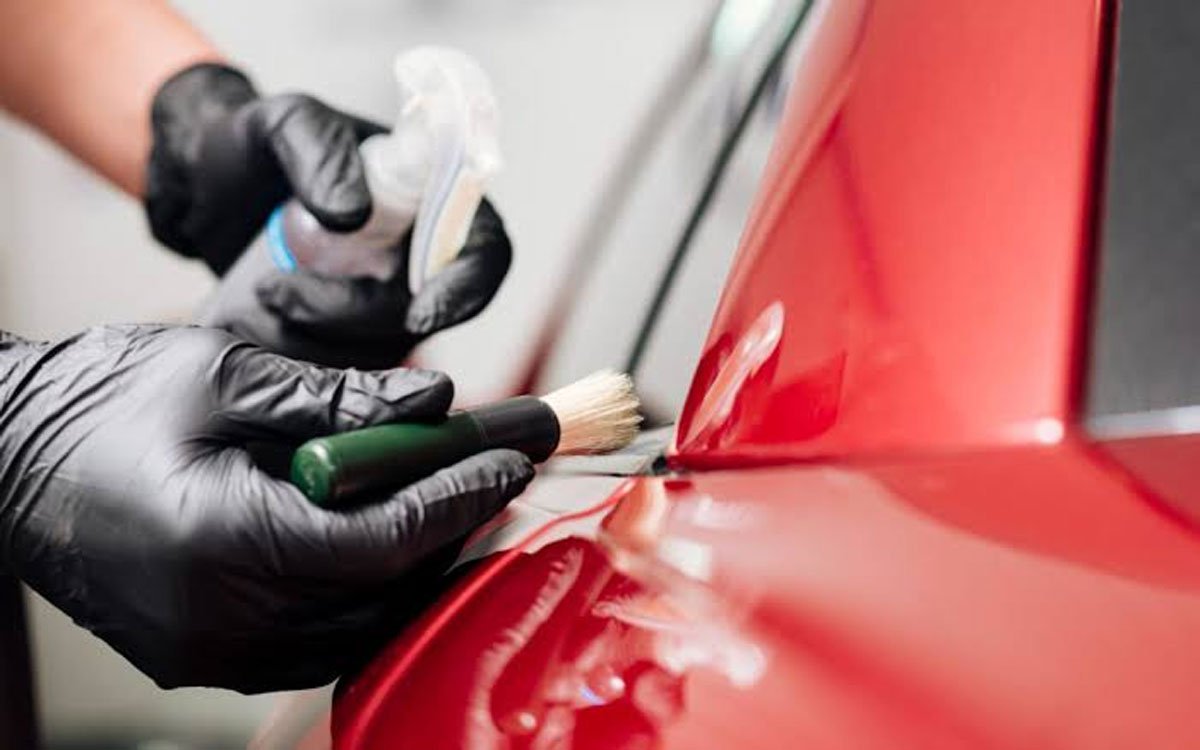
A paintless dent repair is one way of fixing dents in your vehicle without the need for repainting it. In order for paintless dent repair to work, the type of dent must be small and not too deep. In other words, such a procedure will be helpful if the damage on your vehicle was caused by hail or when someone accidentally hit it with a door. Using the appropriate technique and tools, an expert will simply remove the dent from behind.
Paintless dent repair can be done only if there are no cracks in the paint of your vehicle. Also, it is possible to perform this procedure on various panels such as the hood, doors, and trunk.
A careful use of metal skills and special light tools will be needed in 2026 to keep your car’s outside well protected. It is a big mistake for people to trust heavy fillers and repainting whole parts to fix small marks. Regular repair work is for deep damage only, not for smaller problems. So, if you get small dents from things like shopping carts or hail, it is better to fix them without changing the original clear coat.
Changing the way metals are used and the different types of flexible paint means a person needs to learn new ways to take care of outside problems on their car. When you pick advanced collision repair services in Boerne, you can find ways that do not harm your car to shape it back to normal. This keeps the same look and feel as the first time and helps to hold the value of your car over the years.
What Are the Essential Components of Paintless Dent Repair?
- Access pathway identification:The technicians have to find the right places behind the inside trim pieces. This helps them get to the back side of the damaged area in the metal.
- Slow pressure applications:There are special rods that move the metal back over time. These rods help push the dent out by working right at the spot where it is deepest.
- High-contrast LED light boards:Strong lights get set up on the outside of the panels. These lights help see even the smallest changes in how the metal bends.
- Surface crown relaxation:Special tapping tools are used on high stress spots around the dent. They help take the pressure off these areas in a safe way.
- Preservation of factory finishes:There are non-chemical ways used so that the car’s clear paint layer stays the same and is not broken.
- Flexible panel adaptability:A car’s lightweight aluminum and steel panels have special ways they react. They “remember” their shape and are moved back with care in each step.
Looking at your car’s outside is an important part of all-around asset management. When you check things like the sides of your car, the edges of your doors, and the top part of your car, you make your car feel better to be in. When you look at the main safety structure on your car, you need to think about choosing expert dent repair options because this is very important.
How Do Precision Optics Advance Dent Alignment?
The newest tools for car restoration have made body work much better. You can now see dents in real time, remove stress right away, and fix anything on the spot. Instead of guessing, workers can now fix dents very well. This lets them smooth out any problems before things get too stretched or damaged.
- High-intensity LED lights show shadows right away on the outside clear coat layer.
- Easy-to-hold stainless steel levers change where the pull happens fast when you work behind a door frame.
- A glue pull system holds outside tabs and pulls out dents from the painted side without harm.
- Knockdown hammers shaped to fit the car tap down raised spots using soft plastic tips for a smooth feel, much like the factory does.
- A digital optical line board helps you see very small changes on the surface and gives you a smooth finish for the whole area.
- A heat induction unit keeps the local steel at the right warmth, so you can change the way it fits down to the grain safely for deep fixes.
- Spring-steel wedges go between the window and the rubber to make space for your tools and not hurt how the glass moves.
Knowing about non-destructive panel restoration can help you feel less worried if sudden weather leaves many small dents on your car’s hood. Picking old grind-and-fill ways for these small dings can cost a lot since painting and labor prices go up fast. So, it is good to think about paintless ways to fix these spots.
Which Specific Strategies Verify Ideal Paintless Repair Conditions?
- Intact paint surface checkingshould be done often with bright, special lights. This helps to see if there are any small cracks in the top coat.
- Blemish depth measurementhelps right away to know if the base under the paint has been stretched too far past its normal line.
- Panel edge gap checkmakes sure the dent is not right on a strong part of the seam.
- Aftermarket paint layer checkshould be done to see if the part still has the same flexible paint the factory put on.
- Hail damage pattern groupinghelps experts sort and fix several dents at one time on large flat areas.
- Proximity sensor safety checksmake sure the sensors for blind spots are not bothered in any way when working on the panel.
How Do Visual Repair Methods Limit Owner Maintenance Overhead?
| Repair Methodology | Primary Material Focus | Standard Coating Limits | Key Vehicle Owner Benefit |
| Paintless Dent Repair | Original factory metal shape, elastic clear coat protection | Fractured paint surfaces, deep torn body panels | Zero color-matching error risks |
| Traditional Body Repair | Deep metal gouges, punctured exterior panels | Minor shallow parking lot dings, simple hail marks | Full restoration of torn structural shells |
| Panel Replacement | Severe structural compromises, crushed frame assemblies | Minimal surface dings, superficial clear coat scratches | Total structural module rejuvenation |
A quick way to start fixing how a car looks from the outside is to make sure it is checked in right and the digital report is complete on the first day. A list of every spot that is bent or damaged is needed because it helps people who work with insurance claims do their job, especially when there are big storms. Make sure to save all first repair reports, pictures taken before and after repairs, and proof from the mechanic online.
How Can Standardized Metrics Maximize Automotive Value Retention?
- Certified technician frameworksshare quick updates about new ways to shape very thin aluminum panels. These updates come in right away, so everyone gets the information they need.
- Insurance validation softwarelets adjusters approve paintless work without spending a lot of time looking at vehicles in person.
- Automated scanning toolshelp everyone know where the hidden support bars are that sit under the skins of new doors.
- Digital estimate networkshelp centers track repair work and schedules when there are a lot of storms during the year.
- Independent quality benchmarkshelp remove doubts from people by checking the look of the finished surface the same way each time.
- App-driven notification systemsgive quick updates to clients about how their panel work is going.
- Technician training consortiumshelp tool teams change and make new shapes for the tools used to fix cars.
Setting exact rules for fixing the outside of a car helps keep it strong and makes its value clear over time. Today, keeping a car in good shape relies on clear steps for work between trained experts and people who check the structure. Finding the best way to fix problems, without causing damage, can help protect your car from big problems with the way it looks and works during normal use.
New vehicles need drivers who take part in expert repair paths and keep track of outside care. A checkup each year helps make sure the shape of each main part stays strong, so your car will look good as the day it was made. When you let collision repair services in Boerne do the work, your car’s outside will go from dented to clean and safe. This way, your car is ready for anything.