Source: Freepik.com
Health changes with age. A fall, a new diagnosis, and a medication change, all these moments can feel scary and overwhelming. In a regular home, you face them alone or with family, trying to help from far away. But in senior communities, support is already there. Systems are in place. People know you. They notice changes early and act before things get worse. Here is how communities help residents through health changes.
Active Lifestyle and Wellness
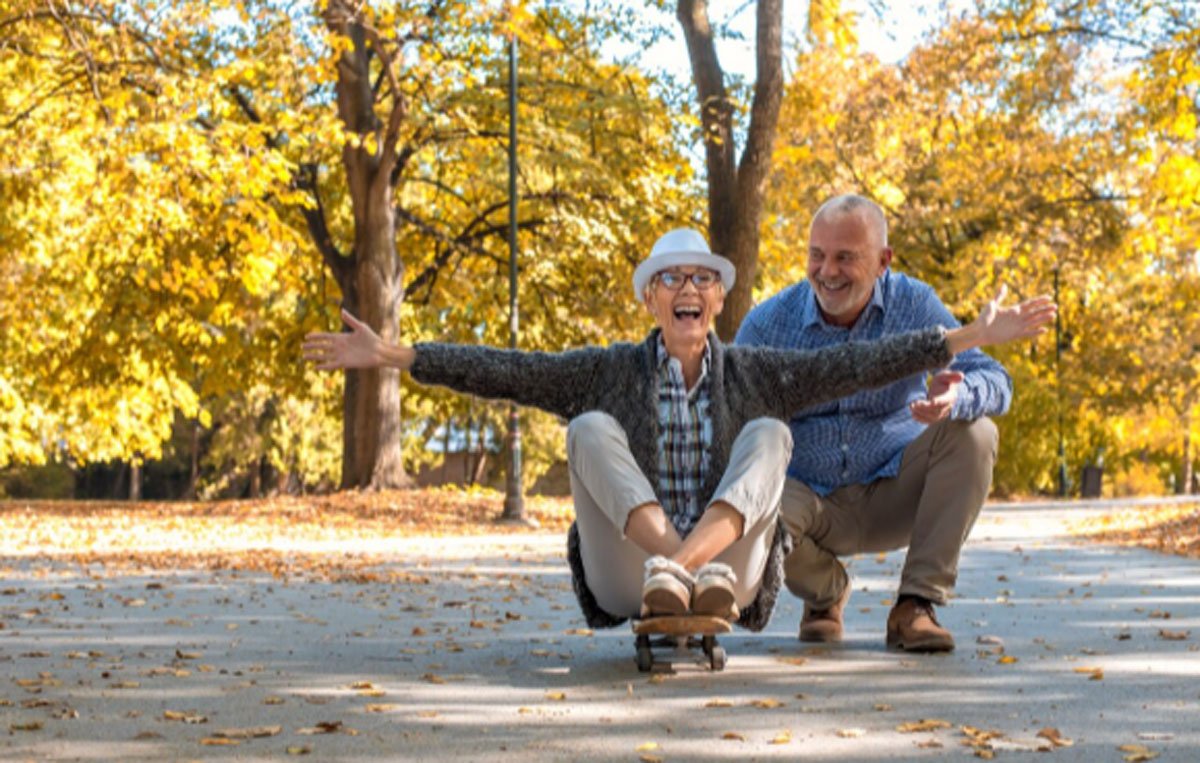
The best health care is prevention. Keeping bodies moving keeps them strong, and communities make this movement easy. They offer fitness classes designed for older bodies, such as chair yoga, water aerobics, balance classes, and gentle strength training.
Moreover, walking paths are safe and smooth in senior living communities. Groups form naturally, walkers become friends, and these friends keep each other coming back. This daily exercise makes seniors strong. When health changes come, a body that moves handles it better. Recovery is faster, and independence lasts longer.
For those in Assisted Living in Southern Maryland, exercise is a part of their daily life. They enjoy gentle movements in the fresh air regularly. Moreover, the Discovery Commons Wildewood residents have options, such as indoor and outdoor exercises and classes for every ability. Also, there is a staff member who encourages seniors without pushing.
Social and Emotional Support
Health changes are easier with support. There must be someone to talk to and someone who notices you. Staff in senior communities know all residents. They see them daily and know their habits. Whether it is a change in appetite, a shift in mood, or a new limp, they notice everything.
Friendships also matter a lot in old age. In communities, your friends are close, and they notice you missed breakfast. This way, when health changes come, you are not alone. Someone brings soup, someone walks with you, and someone listens. This social support is not just nice. It is health care. People with strong social connections recover faster, live longer, and feel better.
Safety and Security
Health changes often bring new risks, such as balance issues, medication changes, and using new equipment like walkers or wheelchairs. Communities are designed for these moments. They have hallways wide enough for walkers, bathrooms with grab bars and step-free showers, and floors that do not slip.
Furthermore, there are emergency call systems in every room. Seniors just push a button, and help comes, whether it is day or night. And in case a resident falls, staff are trained to handle this situation. They know how to help, what to look for, and when to call for more help. This safety allows residents to keep moving, try new things, and not live in fear.
Conclusion
Health changes are part of aging. They will come, and you have to face them. But with support, this phase of life becomes easier and enjoyable. Senior communities offer that support from day one. They offer wellness programs to keep bodies strong. Also, the social connections in communities keep seniors happy. And safety features prevent falls. For families, this is peace. When health changes come in their parents’ lives, someone is there who knows them, cares, and acts as needed. And for residents, it is freedom to live without problems and try new things in their lives.