Phoenix is known for its intense heat, and while that climate is great for pool use, it can be tough on pool systems. Constant exposure to high temperatures puts stress on both the structure and equipment, often leading to issues that require pool repair. Many homeowners don’t realize how much damage the heat can cause until problems start showing up.
Understanding the most common heat-related issues can help you catch them early and avoid more serious damage.
Cracking and Surface Damage
One of the most visible problems caused by extreme temperatures is cracking in the pool surface. Concrete and plaster expand under high heat and contract when temperatures drop, even slightly overnight. Over time, this repeated expansion and contraction can weaken the surface.
Small cracks may seem harmless at first, but they can grow and lead to leaks or structural concerns. Once cracks form, water can seep into them, making the problem worse. This type of damage often requires professional pool repair to restore the surface and prevent further deterioration.
Equipment Overheating
Pool equipment such as pumps and motors is designed to run regularly, but Phoenix heat can push it beyond normal limits. When temperatures stay high for long periods, equipment may overheat or wear out faster than expected.
Pumps are especially vulnerable because they run for extended periods during summer. If the motor is constantly exposed to heat without proper ventilation or maintenance, it can fail prematurely. Pool repair in these cases may involve replacing worn components or the entire unit.
Keeping equipment shaded and regularly inspected can help reduce the risk, but heat-related wear is still common in this environment.
Increased Evaporation and Water Loss
High temperatures lead to faster evaporation, which can make it seem like your pool is losing water more quickly than usual. While some evaporation is normal, excessive water loss can sometimes point to underlying issues.
If the water level drops too low, it can affect how the pump operates and lead to additional strain on the system. In some cases, what appears to be evaporation may actually be a leak that requires pool repair. Distinguishing between the two is important, especially during peak summer months.
Tile and Deck Damage
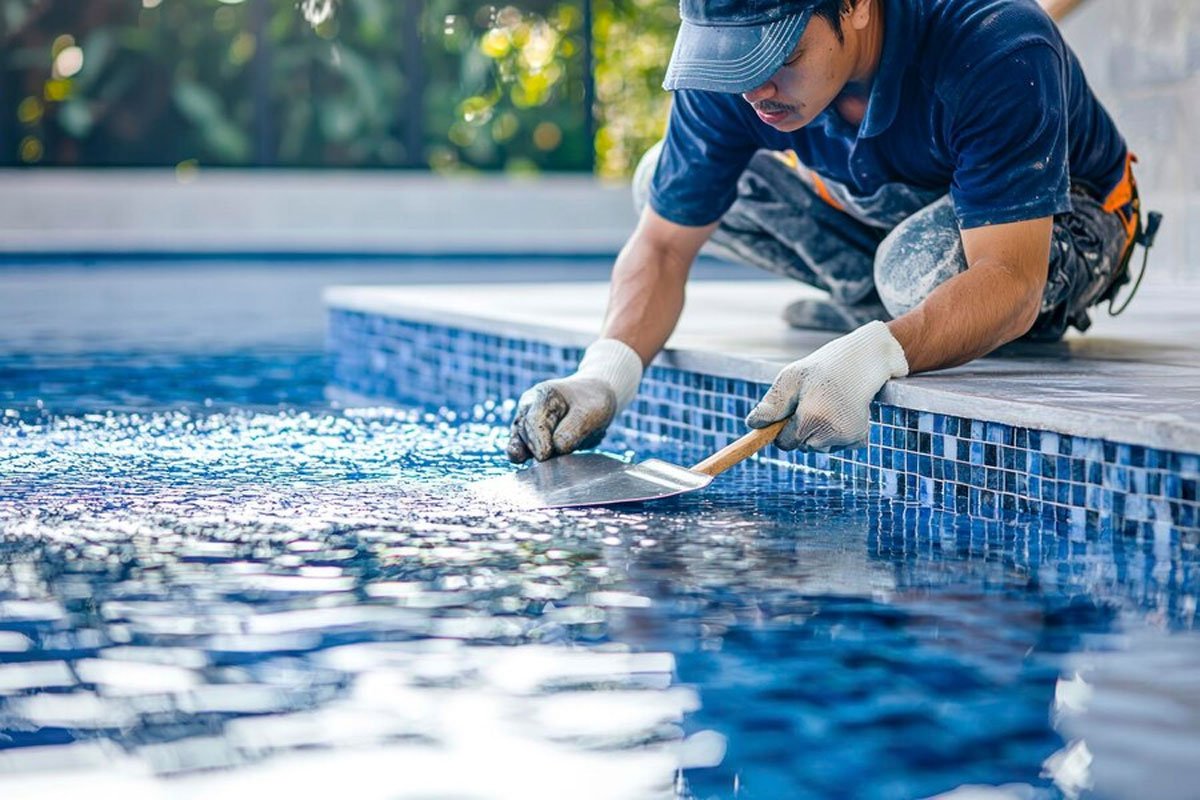
Heat doesn’t just affect the water and equipment—it also impacts surrounding materials. Pool tiles can loosen over time as adhesives break down under constant sun exposure. Similarly, the deck around the pool can crack or shift due to temperature changes.
Loose tiles or damaged decking may seem like cosmetic issues, but they can lead to safety concerns if left unaddressed. Professional pool repair helps secure these areas and prevents further damage from spreading.
Chemical Imbalance and Its Effects
Extreme heat accelerates chemical changes in pool water. Chlorine dissipates more quickly, and pH levels can shift faster than expected. When water chemistry is off, it can contribute to scaling, staining, or corrosion.
These issues often affect pool surfaces and equipment, leading to the need for pool repair. For example, calcium buildup from hard water can damage tiles and clog filters, while corrosive water can wear down metal components.
Maintaining proper chemical balance is one of the best ways to reduce heat-related damage.
Staying Ahead of Heat-Related Issues
Living in Phoenix means dealing with conditions that naturally put more strain on your pool. While some wear is unavoidable, regular inspections and early action can make a big difference.
Many pool repair problems start small and become more expensive if ignored. By addressing issues early and keeping up with routine care, you can extend the life of your pool and avoid unnecessary disruptions during the hottest time of the year.