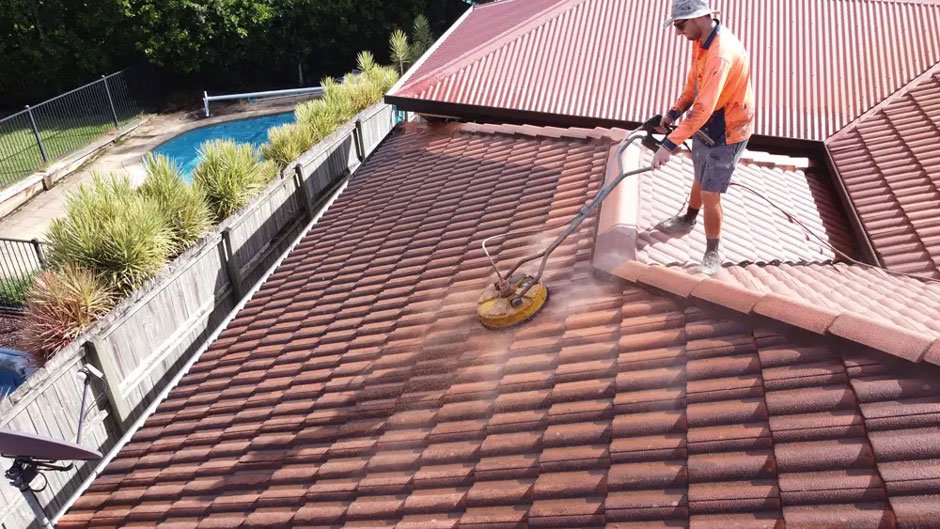
Roof repairs are a fundamental part of maintaining your property, not only to protect your home but also to ensure that you’re properly covered when it comes time to file an insurance claim. In Queensland, where we’re prone to unpredictable weather, the condition of your roof plays a crucial role in whether or not your insurance claim goes smoothly. This guide will walk you through the vital relationship between roof repairs and your insurance coverage, giving you the knowledge you need to navigate the potential complexities of repairs and claims.
As roofing experts with years of experience in Queensland’s dynamic weather conditions, Maxim Building Services understands exactly how roof repairs and insurance coverage are interconnected. With the right guidance, you can ensure your roof is in optimal condition, mitigate potential issues, and avoid unexpected insurance complications. By the end of this guide, you’ll have the know-how to maintain your roof properly and avoid costly mistakes that could jeopardise your insurance claim.
Why Regular Roof Inspections Matter for Your Insurance Coverage
Roof repairs are essential, but the process starts long before a problem arises. Regular roof inspections play a crucial role in both maintaining the health of your roof and ensuring that your insurance claims are handled smoothly. At Maxim Building Services, we know that early detection of roofing issues can prevent significant damage and avoid costly claims complications down the line. In this section, we’ll explore why regular roof inspections are vital for safeguarding both your property and your insurance coverage.
Inspection Frequency: How Often Should You Inspect Your Roof?
In Queensland, regular roof inspections are a must due to the extreme weather conditions we face. The frequency of roof inspections can depend on a variety of factors, including the age of your roof, the materials it’s made from, and the local climate. However, as a general rule of thumb:
- Annually: At a minimum, we recommend a professional roof inspection once a year. Even a well-maintained roof can suffer from wear and tear over time, and annual inspections ensure that small issues are caught early before they become bigger, costlier problems.
- After Severe Weather: Given Queensland’s notorious storm seasons, it’s essential to schedule a roof inspection after heavy rain, strong winds, or hail. Storms can cause unexpected damage, and ensuring that your roof is intact after these events is key to protecting your insurance coverage.
- When Selling or Buying a Property: If you’re in the process of selling or purchasing a home, a roof inspection is a smart move to ensure there are no hidden issues that could affect the sale or the property’s value.
Regular inspections help identify damage early, allowing you to address it before it worsens. This proactive approach can save you money and stress, not just on repairs but also when it comes time to make a claim.
Early Detection: How Inspections Prevent Future Insurance Complications
Regular roof inspections are a key part of protecting your home and ensuring your insurance policy remains intact. Early detection of problems such as leaks, broken tiles, or deteriorating materials can prevent further damage to your home and make sure your roof is in a condition that is acceptable to your insurer.
When an issue is caught early, it’s far easier and less expensive to repair. For example, minor leaks that go unnoticed can cause significant water damage to your ceiling, walls, and furniture. This type of damage, if not reported or repaired promptly, could lead to issues with your insurance claim. Insurers may argue that the damage was due to neglect, which could result in a denial of coverage.
Moreover, documenting any damage or repairs made during inspections provides essential evidence for insurance claims. A well-documented history of roof inspections and repairs shows that you’ve taken proactive steps to maintain your property, which can strengthen your case if you ever need to file a claim.
Documenting Repairs: Strengthening Your Insurance Claims
When it comes to insurance, documentation is everything. Having a record of inspections and repairs provides a clear timeline of the condition of your roof and any actions you’ve taken to maintain it. If an insurance claim needs to be made, this documentation can be invaluable in proving that the damage was caused by an event, not due to ongoing neglect.
At Maxim Building Services, we recommend keeping a detailed log of your roof inspections and any work done. This can include:
- Inspection reports: Detailed reports of each inspection, including any findings, photographs of potential issues, and suggested repairs.
- Repair records: Receipts and invoices from professional roof repairs, including dates and descriptions of the work completed.
- Weather events: Noting any significant weather events (e.g., storms or hail) and roof inspections performed directly after can also strengthen your claim, especially if you can tie damage to a specific weather event.
A well-organised record of inspections and repairs not only helps you stay on top of roof maintenance but also ensures that if an issue does arise, you can prove to your insurer that you’ve been diligent in maintaining your roof.
What Types of Roof Damage Are Covered by Your Insurance?
Queensland’s climate can be both a blessing and a challenge for homeowners when it comes to roof maintenance. The intense storms, heavy rainfall, and strong winds are common in our region, and they can lead to a variety of roof issues. Understanding what types of roof damage are covered by your insurance is crucial for avoiding unpleasant surprises during a claim. In this section, we’ll walk you through the most common types of roof damage in Queensland and how your insurance may respond to them.
Storm Damage: What’s Covered and What’s Not?
Storm damage is one of the most common causes of roof damage in Queensland. Whether it’s from strong winds, hail, or flying debris, storms can wreak havoc on your roof and leave you with extensive repair costs. However, not all storm damage is treated equally by insurance companies.
What’s Covered:
- Wind and Hail Damage: Insurance companies generally cover damage caused by severe weather, including wind and hail. If a storm blows off shingles or tiles, cracks your roof, or causes other direct damage, your insurer will typically cover the cost of repairs.
- Flying Debris: During a storm, debris like tree branches or fencing can become airborne and cause damage to your roof. This is generally covered under a standard home insurance policy.
What’s Not Covered:
- Pre-existing Damage: If your roof was already in poor condition before the storm hit, and the storm damage was exacerbated by this neglect, your insurance may not cover the full extent of the repairs. It’s crucial to maintain your roof to avoid this scenario.
- Wear and Tear: Regular wear and tear from age, without the influence of a specific storm, is typically not covered. If your roof was deteriorating due to age or poor maintenance and a storm merely accelerated the damage, this might not be covered under your policy.
At Maxim Building Services, we recommend having your roof inspected before and after a storm season. This ensures any storm damage is documented and that you’re aware of any pre-existing issues that may affect your coverage.
Wear and Tear: What’s Typically Excluded from Insurance Coverage
While storm damage is generally covered by insurance, wear and tear is another matter. Roofs naturally degrade over time due to exposure to the elements. However, most insurance policies do not cover damage caused by the natural aging process or poor maintenance.
What’s Typically Excluded:
- Old, Worn-Out Roofs: If your roof is near the end of its life and begins to leak or deteriorate, insurance typically won’t cover the repairs. Roofs made from materials that have reached their expected lifespan, such as old tiles or shingles, are not likely to be covered under most policies.
- Negligence: If the damage to your roof is a result of neglect – such as not fixing leaks in a timely manner or failing to inspect for damage after storms – insurance may not cover the costs. Regular inspections and maintenance are essential to preventing issues that fall under this category.
Regular maintenance and repair of any minor issues are key to preventing damage from becoming worse and potentially costing you more in the long run. At Maxim Building Services, we’re here to help ensure that your roof is in peak condition so that you’re not left paying for costly repairs out-of-pocket.
Insurance Clauses: Navigating the Fine Print
Insurance policies often include clauses that can affect whether roof damage is covered, and in some cases, these clauses can be difficult to understand. Knowing the specific terms of your insurance policy and how they apply to roof damage can help you avoid complications during a claim.
Common Clauses to Watch Out For:
- Exclusions for Older Roofs: Some policies may have specific exclusions for roofs that are older than a certain age. Make sure to read your policy carefully to determine if your roof’s age affects your coverage.
- Policy Limits: Some insurance policies have limits on how much they’ll pay out for roof repairs or replacements. If your roof damage exceeds this limit, you could be left with a significant shortfall in covering repair costs.
- Storm vs. Non-Storm Damage: It’s important to distinguish between damage caused by storms and other types of roof damage. While storm damage is often covered, damage from general wear and tear or lack of maintenance may not be.
By familiarising yourself with your policy and asking questions about the specific clauses related to roof repairs, you can avoid surprises and ensure that you’re fully covered in the event of damage. If you’re unsure, Maxim Building Services can help you assess the condition of your roof and provide you with the documentation you need to support your insurance claims.
Roof Repairs vs. Roof Replacement: What Insurance Will Pay For?
When your roof suffers damage, one of the first decisions you’ll face is whether to repair it or replace it entirely. Understanding how your insurance covers repairs versus a full roof replacement is crucial to making the best decision for both your home and your wallet. At Maxim Building Services, we know that navigating this choice can be complicated. In this section, we’ll break down the differences between roof repairs and roof replacements and how your insurance policy will typically cover each option.
Understanding Your Policy: Repairs vs. Replacement
Most home insurance policies cover roof repairs, but the process of determining whether you can repair your roof or need a full replacement can depend on the extent of the damage, the age of the roof, and your insurer’s guidelines. Here’s a breakdown of what typically happens when you file a claim for roof damage:
Roof Repairs:
- Coverage for Minor Damage: When minor damage occurs, such as a few missing tiles, leaks, or small cracks, insurers are usually more likely to cover repairs. Roof repairs are often seen as a cost-effective way to restore your roof to a safe condition.
- Cost of Repairs: Insurance companies will assess the cost of the repairs based on the materials needed, the extent of the damage, and the labour involved. In cases where the damage is relatively minimal, your insurer will likely approve the repairs quickly.
- Matching Materials: One key thing to note is that insurance will generally cover the cost of repairing your roof with materials similar to what was originally used. If you have a specific roof type (like slate or custom tiles), it’s important to check with your insurer to ensure they cover matching materials.
Roof Replacement:
- When It’s Needed: If the damage to your roof is extensive, such as widespread structural issues, significant storm damage, or the roof has reached the end of its lifespan, replacement might be necessary. Most insurance companies will pay for a full roof replacement if the roof is beyond repair or if the cost of repairs exceeds a certain percentage of the replacement cost.
- Replacement Cost: When your roof is replaced, the insurance company will often cover the cost of installing a new roof of similar quality. In some cases, if you’ve opted for a higher-quality roof or upgraded materials, your insurer might provide an additional payout for the upgrade, but it’s important to discuss this with your insurer beforehand.
At Maxim Building Services, we always recommend consulting with your insurance provider before making a decision. The severity of the damage and the age of your roof can significantly affect whether repairs or a full replacement is covered.
Partial vs. Full Coverage: The Impact of Your Roof’s Condition
Understanding how partial repairs differ from full replacements and how your insurer evaluates each can help you better navigate the claims process. Insurance companies often base their decision on the condition of the roof before the damage occurred. Here’s what you should know:
Partial Coverage:
- If your roof has suffered from minor damage, insurers may cover only the necessary repairs. This might involve patching up leaks, replacing a few shingles or tiles, or fixing small areas of damage.
- Maxim Building Services can help you determine if the repairs are enough to restore the roof’s integrity without the need for a full replacement.
Full Coverage:
- In situations where the roof is beyond repair or the damage is so extensive that the repairs cost more than replacement, your insurer might approve a full roof replacement. This is often the case with storm damage or significant structural issues.
- If your roof is old or has been worn down by age and elements, you may find that your insurer will only cover a replacement if the damage was caused by a covered event (such as a storm). Regular maintenance and timely inspections can ensure that your roof is in a condition that’s likely to be accepted for a full replacement.
When to Replace Your Roof: Recognising the Signs
While insurers will cover roof replacements when necessary, it’s essential to know when it’s time to replace your roof before the damage becomes irreparable. Here are some key signs that it may be time for a full roof replacement:
- Age of the Roof: Most roofs have a lifespan of 20–30 years, depending on the materials used. If your roof is approaching this age, it might be time to start thinking about replacement.
- Extensive Leaks or Water Damage: If your roof has multiple leaks or extensive water damage, it might be cheaper and more effective in the long run to replace the roof rather than continue repairing the same issues.
- Visible Structural Damage: Severe cracking, sagging, or a roof that is visibly bowing or damaged beyond repair could be a sign that a replacement is necessary.
- Increased Energy Costs: If you notice that your energy bills have increased due to poor insulation or leaks, a new roof could help improve your home’s energy efficiency.
If you’re unsure whether to repair or replace your roof, Maxim Building Services can conduct a thorough inspection and advise you on the best course of action.
Protect Your Home and Insurance Coverage
Roof repairs are an essential part of home maintenance in Queensland, not only to preserve the structural integrity of your home but also to protect your insurance coverage. Ensuring your roof is properly maintained, inspected, and repaired can prevent expensive surprises and guarantee that you get the compensation you deserve when disaster strikes. By working with qualified professionals and keeping detailed records of repairs, you can safeguard your property and avoid unnecessary disputes with your insurer. For expert advice on roof repairs, insurance claims, or roof inspections in Queensland, contact us today. Let our licensed professionals help you navigate your insurance and keep your roof in top condition.