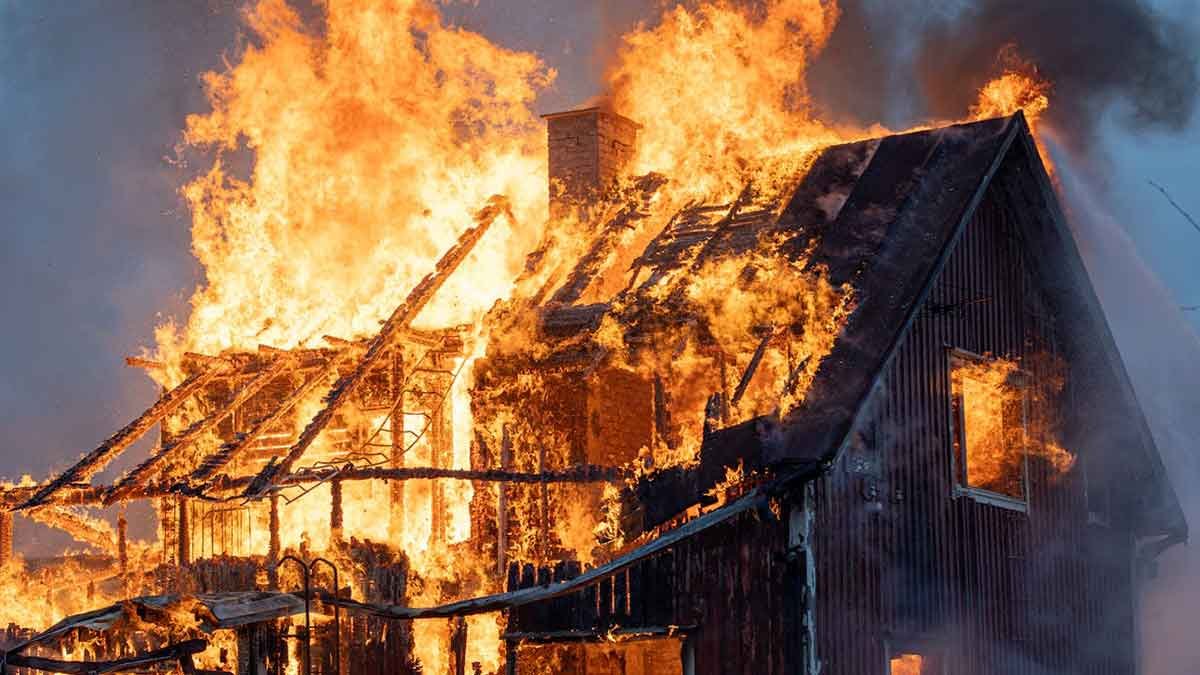
A house fire is one of the most traumatic events a homeowner can experience. Beyond the immediate danger, fires leave behind extensive damage that affects the structure, air quality, and overall safety of the home. Even small fires can result in smoke, soot, and water damage that spreads far beyond the original affected area. After a fire is extinguished, homeowners often feel overwhelmed and unsure how to proceed. Taking the correct steps in the proper order is essential to protecting health, minimizing loss, and beginning the recovery process. Acting too quickly or without guidance can increase damage or create safety risks. Knowing what to do after a fire helps turn a devastating event into a manageable recovery.
Ensure Safety and Do Not Re‑Enter Until Cleared
The first and most important step after a fire is ensuring that everyone is safe. Even if flames appear to be fully extinguished, the home may still contain hazards that are not immediately visible. Structural components may be weakened, electrical wiring may be compromised, and lingering smoke or chemicals may pose health risks. Never re‑enter the home until local fire officials or inspectors confirm it is safe to do so. Keep children and pets away from the area to prevent injury or exposure. Fire damage can also cause sharp debris or unstable surfaces that increase the risk of accidents. Prioritizing safety protects lives and prevents additional harm.
Contact Emergency Services and Notify Your Insurance Provider
Once safety is confirmed, contacting your insurance company should be a top priority. Fire damage claims often require immediate notification and detailed documentation. Your provider will explain coverage limits, temporary housing options, and next steps in the claims process. Keep a record of all communications, including dates, names, and claim numbers. Insurance adjusters may schedule inspections, so avoid making permanent repairs beforehand. Prompt communication helps prevent delays and misunderstandings. Early involvement from insurers supports financial recovery and planning.
Document Damage Thoroughly Before Cleanup
Proper documentation plays a critical role in both insurance claims and restoration planning. Take clear photographs and videos of all affected areas, including those with fire, smoke, soot, and water damage. Capture wide shots and close‑ups to show the extent and severity of damage. Document structural elements, personal belongings, and appliances. Avoid discarding damaged items until advised by insurance representatives. Maintain an inventory of losses with descriptions and estimated values. Accurate documentation protects your claim and prevents disputes later.
Secure the Property to Prevent Further Damage
Fire damage often leaves the home vulnerable to additional harm. Broken windows, exposed doors, and damaged roofing allow weather, wildlife, and unauthorized access. Securing the property helps prevent secondary losses and liability issues. Boarding windows, covering roofs with tarps, and locking entry points are important early steps. If utilities were shut off during the fire, confirm that they remain disconnected until inspections occur. Preventing further damage reduces repair costs and protects remaining property. Site stabilization is a critical part of post‑fire recovery.
Avoid DIY Cleaning and Removal Efforts
Cleaning after a fire is not as simple as removing burnt materials. Smoke residue, ash, and soot contain toxic chemicals that can cause health problems if disturbed improperly. Household cleaners are often ineffective against fire‑related contamination and may worsen staining. Attempting to clean soot without proper equipment can push particles deeper into surfaces. Water used during firefighting may contribute to mold growth if not handled correctly. Improper cleanup creates additional health hazards. Professional fire restoration techniques are essential for safe and thorough recovery.
Assess Structural, Smoke, and Water Damage Together
Fire damage rarely exists in isolation and should be evaluated comprehensively. Structural elements such as framing, flooring, and roofing may be compromised by heat exposure. Smoke travels throughout the home, affecting surfaces, insulation, and air systems far from the original fire. Water used to extinguish flames often causes secondary damage to walls, ceilings, and belongings. Odors can become embedded in porous materials if unaddressed. Restoration planning must address all forms of damage simultaneously. A complete assessment prevents overlooked issues and repeat repairs.
Hire Professional Fire Restoration Services Promptly
Professional restoration is essential for safe and effective recovery after a fire. A Colorado Springs restoration company can evaluate damage, contain affected areas, and begin cleanup using specialized equipment. Restoration professionals know how to remove soot, neutralize odors, and dry moisture‑affected spaces correctly. They also follow safety protocols that protect indoor air quality and occupant health. Coordinated restoration reduces downtime and improves outcomes. Expert intervention ensures repairs meet safety standards. Timely professional support accelerates the recovery process.
Restore Indoor Air Quality and Remove Odors
Smoke odor is one of the most persistent effects of fire damage. Odors linger when smoke particles remain trapped in walls, fabrics, and ventilation systems. Professional air scrubbers, ozone treatments, and thermal fogging neutralize odor at the molecular level. HVAC systems often require cleaning to prevent recirculation of contaminated air. Improving indoor air quality protects health and comfort. Odor removal is a specialized process requiring professional expertise. Clean air is essential for safe re‑occupancy.
Begin Repair and Reconstruction Strategically
Once cleanup and mitigation are complete, repairs can begin in a structured sequence. Structural components should be repaired before cosmetic finishes are installed. Electrical and mechanical systems must be inspected and restored safely. Damaged materials are replaced according to building code requirements. Coordinating reconstruction efficiently helps minimize disruptions. Rushing repairs often results in rework or missed issues. Strategic rebuilding ensures long‑term durability and safety.
Address Emotional and Practical Recovery Needs
Fire damage affects more than physical property—it impacts emotional wellbeing. Homeowners may experience stress, anxiety, or grief following a fire. Seeking temporary housing, community support, or counseling can help during recovery. Keeping detailed to‑do lists provides a sense of control. Accepting help from family or professionals reduces emotional strain. Acknowledging emotional recovery is just as important as physical restoration. Healing takes time and patience.
Implement Preventive Measures for the Future
Once restoration is complete, focus on fire prevention improvements. Updating smoke detectors, fire extinguishers, and alarm systems enhances safety. Regular electrical inspections reduce fire risks. Improving ventilation and storage practices adds protection. Reviewing emergency plans ensures preparedness. Preventive steps reduce the chance of future incidents. Preparedness creates long‑term peace of mind.
Conclusion
A home fire is devastating, but taking the right steps ensures a safer and faster recovery. Prioritizing safety, documentation, and professional restoration protects both health and property. Fire damage requires more than surface repair—it demands comprehensive remediation and rebuilding. Expert support helps restore indoor air quality, structure, and comfort. Careful planning prevents future risks. Recovery is possible with the right guidance and action. Knowing what to do after a fire makes rebuilding both realistic and achievable.