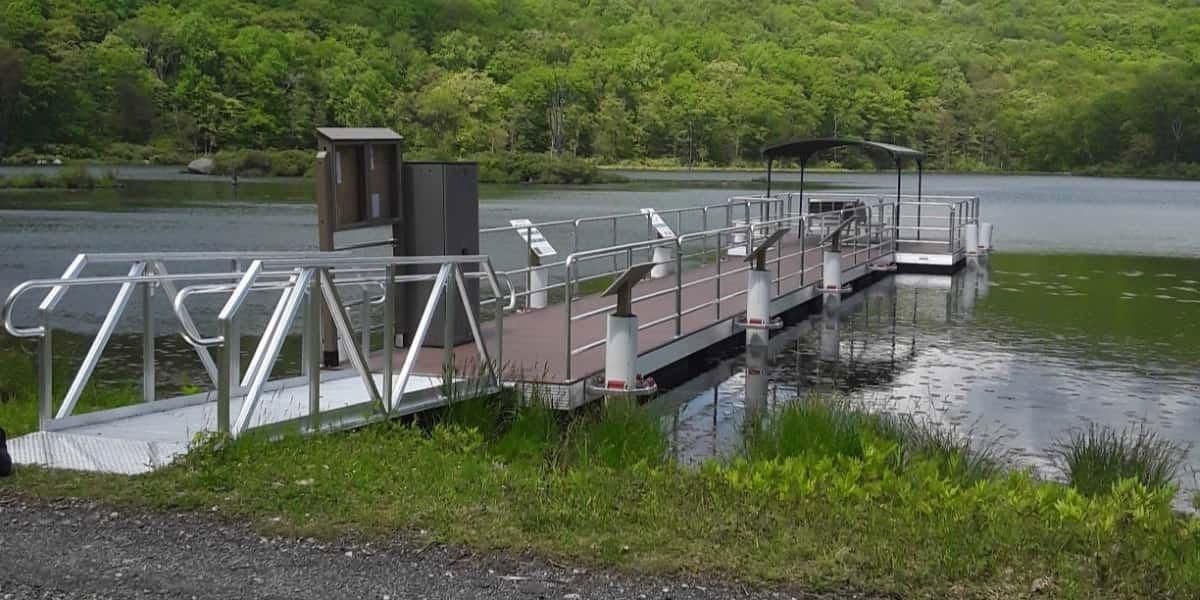
Waterfront properties, marinas, and recreational areas all face one common challenge: water levels are never constant. Tides rise and fall, rivers swell after heavy rains, and reservoirs fluctuate with seasonal demand. Traditional fixed docks often struggle to adapt to these changes, which is why floating docks have become a popular and practical solution. Their unique design allows them to rise and fall with the water, ensuring consistent usability and stability throughout the year.
The Basic Concept Behind Floating Docks
At their core, floating docks are buoyant platforms designed to remain on the water’s surface rather than being permanently anchored to the lakebed or shoreline. Unlike stationary docks supported by pilings driven deep into the ground, floating systems are supported by flotation devices such as air-filled chambers, foam-filled floats, or sealed plastic drums. These components provide enough buoyancy to support the dock structure, people, and equipment.
The principle behind their operation is simple: buoyancy. According to Archimedes’ principle, any object placed in water will float if it displaces a volume of water equal to its own weight. Floating docks are carefully engineered so that the combined weight of the dock materials and the anticipated load (people, furniture, boats) remains less than the upward force exerted by the displaced water. This balance allows the dock to stay afloat and stable.
Adapting to Changing Water Levels
One of the greatest advantages of floating docks is their ability to automatically adjust to fluctuations in water levels. Whether water rises due to rainfall or tidal changes, or drops because of drought or dam regulation, the dock moves vertically along with the water’s surface. This eliminates the need for constant adjustments or modifications.
The dock remains connected to the shore through a gangway or hinged ramp. This ramp is typically attached with flexible joints that allow it to pivot as the dock moves up or down. As a result, the transition between land and dock stays accessible and safe, even when water levels vary significantly.
In tidal regions, where water levels can shift several feet in a matter of hours, this flexibility is invaluable. Fixed docks may become partially submerged at high tide or stranded above water at low tide. Floating docks, on the other hand, maintain a consistent height relative to the water, making boarding boats easier and safer at any time of day.
Anchoring Systems for Stability
While floating docks move vertically, they must remain stable and secure horizontally. This is achieved through specialized anchoring systems. Common methods include:
- Piling guides: The dock is connected to vertical pilings driven into the seabed or lakebed. The dock slides up and down along these pilings as water levels change.
- Cable anchoring: Heavy-duty cables attach the dock to anchors embedded in the bottom. These cables allow vertical movement while preventing drift.
- Weighted anchors: Large concrete blocks or similar weights hold the dock in position.
These systems are carefully engineered to withstand wind, waves, and currents. In areas prone to storms or strong tides, additional reinforcements may be added to ensure the dock remains secure.
Materials That Enhance Performance
The durability and performance of floating docks depend heavily on the materials used. Modern docks are often constructed from treated wood, aluminum, composite decking, or high-density polyethylene. Each material offers unique advantages in terms of resistance to corrosion, rot, and UV damage.
The flotation units themselves are usually made from encapsulated foam or molded plastic to prevent water absorption. This design ensures long-term buoyancy and minimizes maintenance requirements. Because the flotation components are sealed, they maintain their effectiveness even after years of exposure to harsh environmental conditions.
Load Distribution and Structural Design
Proper weight distribution is crucial for the safe operation of floating docks. Engineers design these docks with evenly spaced flotation units to ensure balanced support. If weight is concentrated in one area, the dock may tilt or become unstable. To prevent this, manufacturers calculate load capacities and provide guidelines on maximum occupancy and equipment placement.
Some advanced systems feature modular sections that can be connected or expanded as needed. This flexibility allows marina operators and homeowners to customize dock layouts to accommodate different boat sizes and traffic patterns. The modular approach also simplifies repairs, as individual sections can be replaced without dismantling the entire structure.
Environmental and Practical Benefits
Floating docks are not only practical but also environmentally considerate. Because they require minimal permanent intrusion into the waterbed, they often have less impact on aquatic ecosystems compared to fixed structures. The absence of extensive piling systems reduces habitat disruption for fish and other marine life.
Additionally, floating systems are easier to install and remove. For seasonal properties or temporary events, docks can be assembled, repositioned, or stored as needed. Many property owners explore options such as floating docks to ensure year-round waterfront access without the complications associated with fixed installations.
Safety and Maintenance Considerations
While floating docks are designed for resilience, regular inspection and maintenance remain essential. Owners should check flotation units for damage, ensure anchoring systems remain secure, and inspect decking for wear. Proper upkeep extends the dock’s lifespan and maintains its safety.
Non-slip surfaces, sturdy railings, and adequate lighting further enhance usability, particularly in public marinas or high-traffic areas. With thoughtful design and regular care, floating docks provide reliable service for decades.