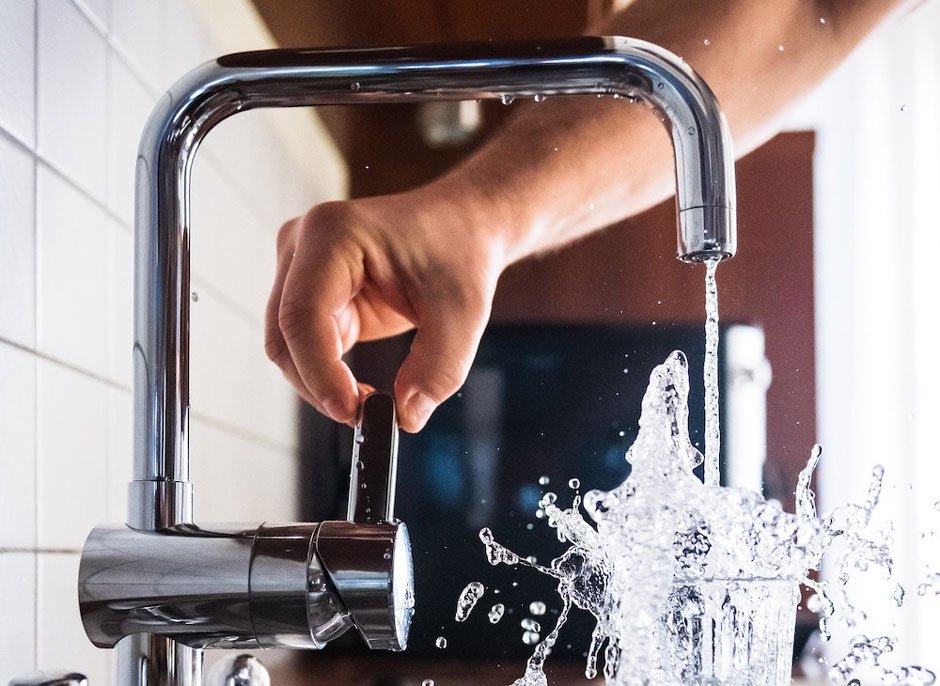
A home’s plumbing system works quietly behind the scenes every single day—delivering clean water, removing waste, powering appliances, and supporting your family’s routine. Because it operates out of sight, it’s easy to forget that your plumbing needs consistent care. Small habits can make the difference between a system that lasts decades and one that constantly breaks down.
This guide walks you through simple daily habits that protect your plumbing, prevent emergencies, and keep everything running smoothly—all without major effort or expense.
Why Daily Plumbing Habits Matter
Ignoring your plumbing doesn’t usually cause a sudden disaster. Instead, minor issues build up over time:
- A little grease down the sink becomes a stubborn clog
- Long, hot showers strain your water heater
- Excess debris in drains slowly blocks pipes
- High water pressure stresses plumbing joints
With a few mindful habits, you can reduce wear and tear dramatically. Good plumbing care saves you money, prevents leaks, avoids water damage, and extends the lifespan of everything from faucets to water heaters.
1. Use Your Drains the Right Way
Your drains aren’t designed to handle everything. Treating them carefully is one of the easiest habits to adopt—and one of the most important.
Avoid Pouring Grease, Fat, or Oil Down the Kitchen Sink
Even in liquid form, grease cools and solidifies inside your pipes, creating thick blockages.
Daily habit:
Wipe greasy pans with a paper towel before washing and pour cooking oils into a separate container for disposal.
Use a Sink Strainer Every Day
A simple strainer catches:
- Food scraps
- Used coffee grounds
- Pasta
- Rice
- Vegetable peels
These items expand and trap debris, making clogs much more likely.
Run Your Garbage Disposal Properly
If your home has one:
- Run cold water before and after using it
- Avoid fibrous foods like celery and onion skins
- Never put egg shells, nuts, or fruit pits inside
2. Maintain Healthy Bathroom Habits
Bathrooms see the most water usage, so they’re also the most likely to experience clogs, leaks, and fixture wear.
Don’t Flush Anything Except Toilet Paper
Even “flushable” wipes are not truly flushable. They don’t break down like toilet paper and cause major blockages in homes and city sewer lines.
Do NOT flush:
- Wipes
- Cotton pads
- Tissues
- Q-tips
- Dental floss
- Hair
Daily habit: Place a small bathroom trash bin near the toilet for convenience.
Use Hair Catchers in Showers
Hair buildup is one of the top causes of slow drains.
Daily habit: Clear the catcher after every shower to keep water flowing freely.
Wipe Down Water Around Faucets
A few seconds of wiping moisture helps prevent:
- Mold
- Mildew
- Corrosion around fixtures
It also makes it easier to spot small leaks early.
3. Be Mindful of What Goes Into Your Dishwasher & Washing Machine
Not all items are safe for your home’s appliances. A little care helps extend the life of your machines and your plumbing.
Scrape Plates Before Loading
You don’t have to wash dishes before using the dishwasher, but removing large food scraps prevents:
- Drain clogs
- Dishwasher spray arm blockages
- Odors
Use the Right Detergent
Using regular soap instead of appliance-specific detergent creates excessive suds that can:
- Overflow
- Stress the pump
- Cause leaks
Avoid Overloading Machines
Overloading washing machines strains hoses and increases the risk of:
- Leaks
- Burst hoses
- Poor drainage
Daily habit:
Load both appliances according to the manufacturer’s guidelines.
4. Protect Your Water Pressure
Water pressure that’s too high can quietly damage your plumbing by stressing joints, valves, and appliances.
You might enjoy powerful pressure in the shower, but long-term damage is costly.
Watch for Signs of High Water Pressure
Every day, pay attention to:
- Faucets that spray too forcefully
- Banging pipes (“water hammer”)
- Leaking hoses behind appliances
- Dripping faucets even when closed
These can signal excessive pressure.
Use a Pressure Gauge Periodically
While not daily, make it part of your regular routine. Most homes should sit between:
40–60 PSI (pounds per square inch)
If you need to check more frequently because you’ve noticed issues, that’s okay too.
5. Be Smart About Hot Water Usage
Your water heater works hard every day, and small changes can reduce strain and extend its lifespan.
Take Shorter Showers
Long, hot showers force the water heater to cycle more often.
Daily habit:
Aim for 5–10 minutes instead of 20+ minutes.
Avoid Running Multiple Hot Water Appliances at Once
For example:
- Showering while the dishwasher is running
- Laundry + shower at the same time
This overloads the system and leads to inconsistent water temperature.
Monitor Your Water Temperature Setting
Keep it at 120°F, a safe and efficient level.
This prevents:
- Scalding
- Excess energy use
- Unnecessary strain on your water heater
6. Run Water Regularly in Less-Used Areas
Unused bathrooms, basement sinks, and outdoor faucets need attention.
Daily or Weekly Habit
Run water for a few seconds to keep:
- Traps full
- Drains lubricated
- Odors from escaping
- Sediment from building up
It prevents stagnant water—which can cause smells or bacterial growth.
7. Keep an Eye Out for Leaks Every Day
Even small leaks waste thousands of gallons per year and lead to expensive water damage.
Make it a daily habit to look for:
- Wet spots under sinks
- Dripping faucets
- Standing water around appliances
- Slow-running toilets
- Musty smells
Catching leaks early prevents repairs from becoming full replacements.
8. Treat Your Garbage Disposal, Drains, and Pipes Kindly
Pipes are strong—but not indestructible.
Run Cold Water, Not Hot, When Using the Disposal
Hot water melts fats that later re-solidify deeper in your pipes.
Cold water keeps them solid so the disposal can grind them safely.
Avoid Chemical Drain Cleaners
They may unclog temporarily, but they damage your pipes.
Use:
- A plunger
- A drain snake
- A mixture of baking soda and vinegar
- Hot water (only for non-grease clogs)
9. Be Mindful of Outdoor Plumbing Daily
Outdoor faucets and irrigation systems affect indoor plumbing too.
Check Hoses and Outdoor Spigots Regularly
Look for:
- Leaks
- Dripping connections
- Swelling hoses
- Low-pressure issues
A leak outdoors can affect water pressure indoors.
10. Practice Water-Saving Habits
Reducing water waste also reduces stress on your plumbing system.
Easy Daily Habits Include:
- Turning off the tap while brushing your teeth
- Using cold water for simple tasks
- Running the dishwasher only when full
- Not letting faucets run unnecessarily
- Choosing quick-wash cycles in machines
These habits save water and protect your fixtures from excessive use.
11. Pay Attention to Strange Noises
Your plumbing communicates with you—if you’re willing to listen.
Daily noises to watch out for:
- Gurgling drains
- Tapping or ticking pipes
- Whistling faucets
- Bubbling toilets
- Rattling pipes
Odd sounds often signal:
- Blocked vents
- Clogged drains
- High water pressure
- Loose pipes
- Air in the lines
Key Takeaways
- Small daily habits prevent the most common plumbing problems.
- Avoid putting grease, hair, wipes, and food scraps down drains.
- Proper water pressure protects your entire plumbing system.
- Regularly observe appliances, drains, and faucets for early signs of damage.
- Smart water usage reduces strain on pipes and fixtures.
- Staying attentive prevents costly repairs—and keeps your plumbing running smoothly year-round.
Conclusion
Your home’s plumbing doesn’t need complicated routines or constant professional attention—just a few simple habits practiced every day. By treating your drains with care, using appliances properly, monitoring water pressure, and staying alert to early signs of trouble, you can dramatically extend the life of your plumbing system. These small, consistent actions help prevent clogs, leaks, and unexpected breakdowns, saving you time, stress, and costly repairs in the long run. When you build these habits into your daily routine, your plumbing works more efficiently, your home stays protected, and you gain peace of mind knowing your system is running as smoothly as it should.