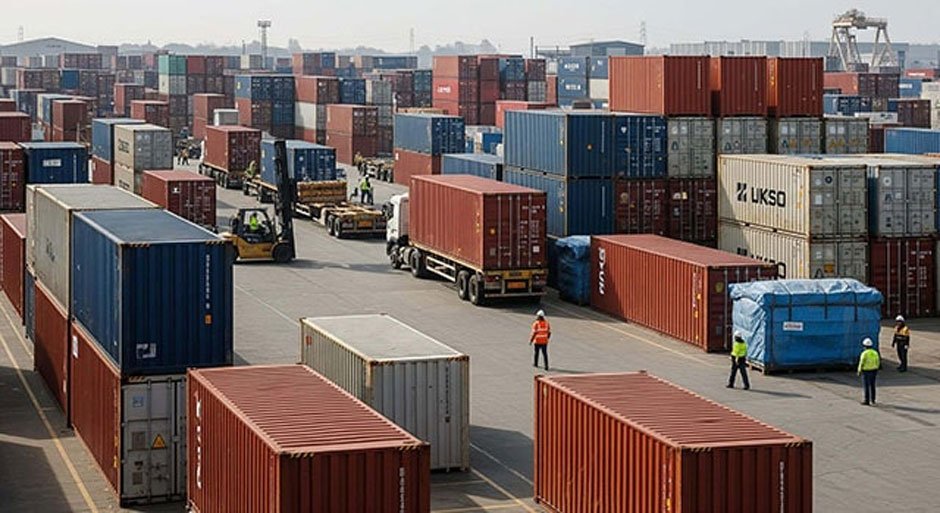
Container transport plays a critical role in Western Australia’s logistics ecosystem, connecting exporters, importers, manufacturers, and regional businesses to domestic and global markets.
Whether you’re moving freight from Fremantle Port, distributing goods to regional centres, or planning long-haul transport across the state, efficiency is key to controlling costs and maintaining competitive advantage. This is a crucial consideration for any business.
With freight charges, inland transport expenses, and seasonal surcharges all impacting your bottom line, smart planning and operational strategies can make a huge difference.
In this post, we explore six cost-saving tips to help streamline container transport in Western Australia and reduce expenses without sacrificing reliability.
1. Maximise Container Utilisation and Choose the Right Size
One of the simplest ways to cut transport costs is to ensure you’re using your container space efficiently.
- Match container size to your cargo: Under-utilised containers mean you’re paying for space you don’t use. Analyze your cargo volume and weight carefully and choose between 20-foot and 40-foot containers or other specialised types accordingly.
- Consolidate shipments: If you often ship smaller loads, consider consolidating them into full containers instead of multiple partial ones. This reduces handling fees, lowers the cost per unit shipped, and simplifies documentation.
- Plan packing for space efficiency: Efficient packing, such as stackable pallets or modular packaging, increases usable volume and reduces wasted air space. This is especially important when freight rates are calculated based on container volume and weight.
Choosing the most space-efficient and cost-appropriate container type allows you to reduce redundancies and improve the real cost per shipment.
2. Optimise Port and Inland Transport Routes
Western Australia’s main container gateway is Fremantle Harbour, which handles the majority of containerised cargo. From there, how containers move inland, by road or rail, affects cost and delivery time.
Use Intermodal Transport Where Possible
Transporting containers by rail for longer distances inland is often more cost-effective than road freight, particularly when subsidies or government incentives are applied.
In WA, container rail movements between Fremantle and inland intermodal terminals like Kenwick, Kwinana, and Forrestfield are supported by a rail subsidy to make them more competitive with road transport.
The opening of facilities like the Kenwick Intermodal Terminal has been shown to decrease truck journeys and improve productivity by linking road and rail networks more effectively.
Plan Your Routes and Schedules
Avoid peak congestion on urban approaches to ports and distribution centres, where possible, as this can reduce idle time and fuel consumption.
Where container destinations are far from ports, consolidating loads at regional hubs before long-haul transport can reduce the number of individual pickups and drop-offs, lowering overall inland trucking costs.
Combining road and rail smartly not only saves on fuel and labour but also reduces wear and tear on vehicles, driving down maintenance and replacement costs over time.
3. Take Advantage of Government Subsidies and Fee Structures
Transport costs include not just fuel and labour, but also port fees, handling costs, storage charges, and sometimes policy-driven subsidies or incentives.
Understand Available Subsidies and Grants
In WA, the container rail subsidy provides a fixed subsidy per twenty-foot equivalent unit (TEU) moved by rail between eligible terminals and the Port of Fremantle. This helps make rail a more cost-effective option compared to all-road transport.
Keep an eye on policy updates and infrastructure developments, such as planned upgrades to freight rail capacity or new intermodal facilities, that could influence transport pricing and operational efficiencies.
Avoid Unnecessary Port Fees
Always anticipate storage fees and demurrage charges at ports. Delays due to incomplete paperwork, late pickups, or customs hold-ups can quickly add up. Efficient scheduling and pre-clearance can minimise these avoidable costs.
Compare handling fees across different terminals when feasible and consider moving containers to off-dock yards with lower charges, where logistics allow.
Understanding these cost drivers helps you better plan timing and mode of transport, avoiding surprises on your invoice.
4. Book Smart and Plan Around Peak Seasons
Just like international freight, seasonal demand and market timing affect container transport costs.
- Book transport services early: Carriers often offer reduced rates for bookings made well ahead of peak demand periods.
- Avoid peak seasons or surcharges: Whether freight volumes spike around the end of calendar years, holidays, or harvest seasons, planning shipments more strategically can help reduce premium charges.
- Seasonal storage strategies: If your supply chain allows, storing inventory before peak pricing hits can spread costs more evenly rather than paying inflated transport rates.
Good planning also gives carriers more time to allocate equipment and space, which can reduce the risk of premium last-minute fees.
5. Partner with Experienced Freight Forwarders and Brokers
Transport logistics is complex, from customs clearance to inland freight coordination. Working with a trusted freight partner can result in tangible savings:
- Negotiate competitive rates: An experienced broker can leverage volume commitments, negotiate long-term contracts, and secure better pricing across your transport routes.
- Compliance and documentation expertise: Delays caused by incorrect paperwork can be costly. A specialist partner ensures smoother customs processes and reduces the likelihood of costly penalties or storage fees at ports.
- Strategic advice: Freight professionals can analyse your supply chain for inefficiencies and recommend route adjustments, intermodal options, or scheduling tweaks that you might overlook.
A good freight partner effectively becomes an extension of your logistics team, helping you balance cost and reliability in every shipment.
6. Prepare Sites and Manage Deliveries Efficiently
Transport costs often extend beyond moving containers, as how they are loaded, delivered, and integrated into your operations matters. In this case, you need to prepare your sites by:
- Ensuring delivery sites are accessible and prepared before trucks arrive. Tight access, obstacles, or unclear placement instructions can lead to delays and additional handling charges.
- Confirming truck and equipment compatibility to avoid last-minute changes that add to costs.
Also, choose cost-effective delivery methods for your container. For example, a tilt tray truck is often the more cost-efficient solution for container delivery across metro and regional WA, as it eliminates the need for additional lifting equipment like cranes.
Where possible, consolidate deliveries to reduce the number of individual hauls. Efficient site and delivery management helps keep your project timelines on track and avoids costly re-runs or extra resource mobilisation.
Save Up on Container Transport
Efficient container transport in Western Australia demands a strategic approach. You need to select the right container and transport mode, leverage government subsidies, and optimize inland logistics.
Maximising container utilisation, planning effectively, leveraging intermodal transport, and partnering with the right logistics experts can reduce transport costs significantly while maintaining high service levels.
Whether you’re shipping agricultural produce from regional WA, distributing goods across Perth, or exporting products internationally, these cost-saving strategies provide a foundation for smarter, leaner logistics.